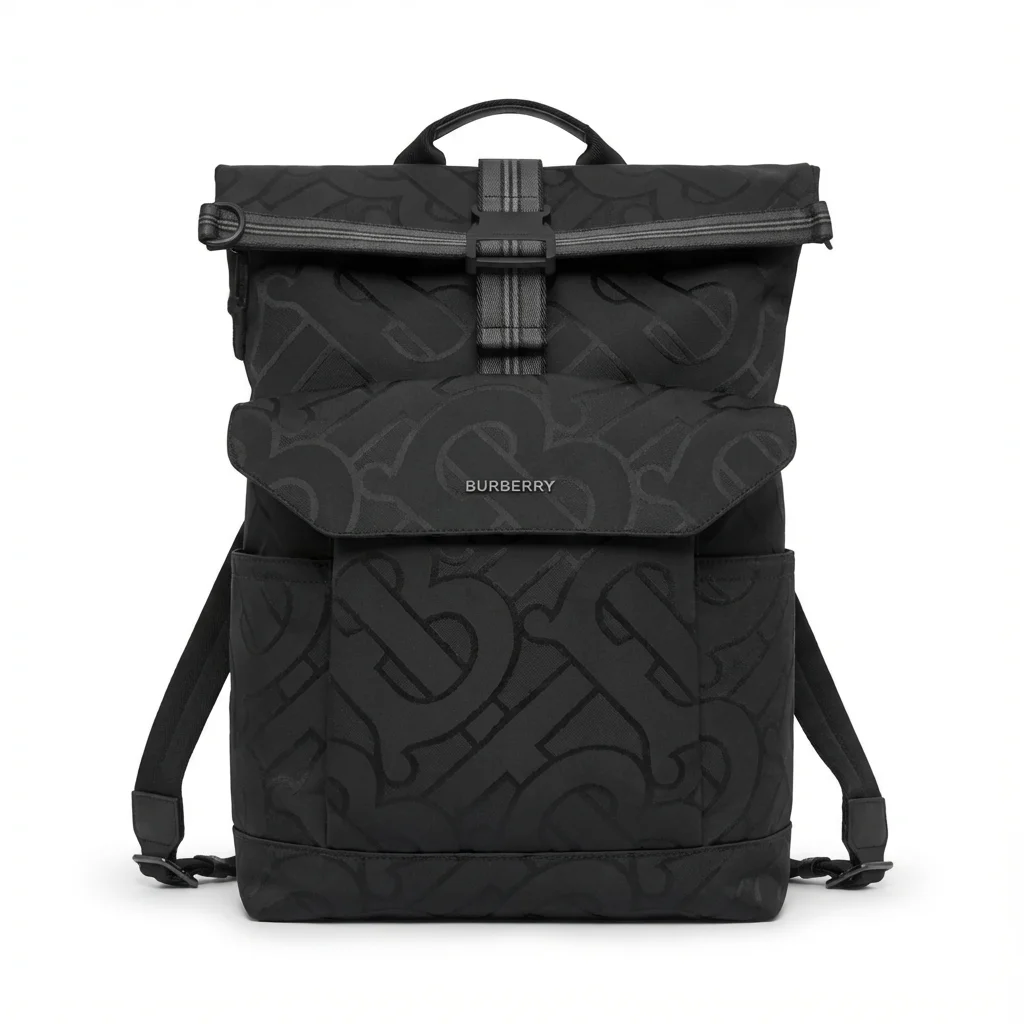
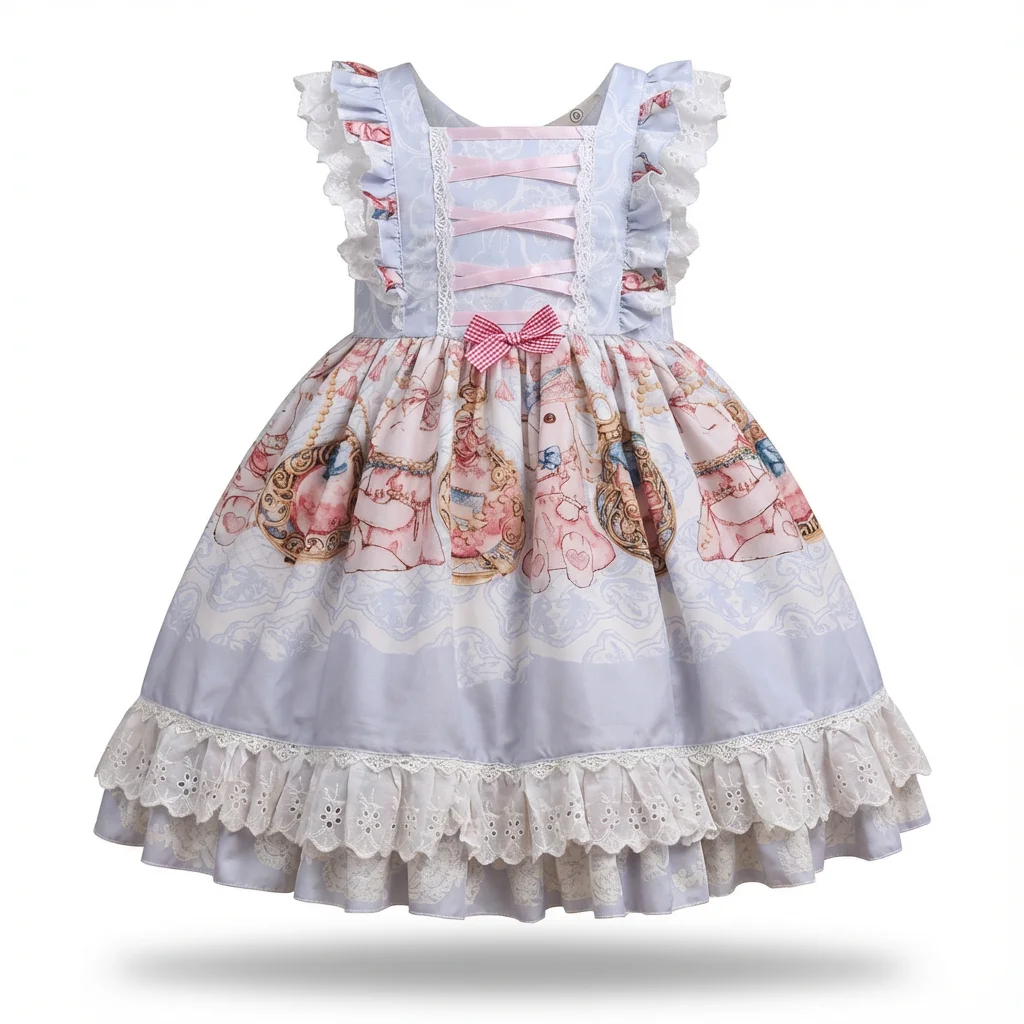

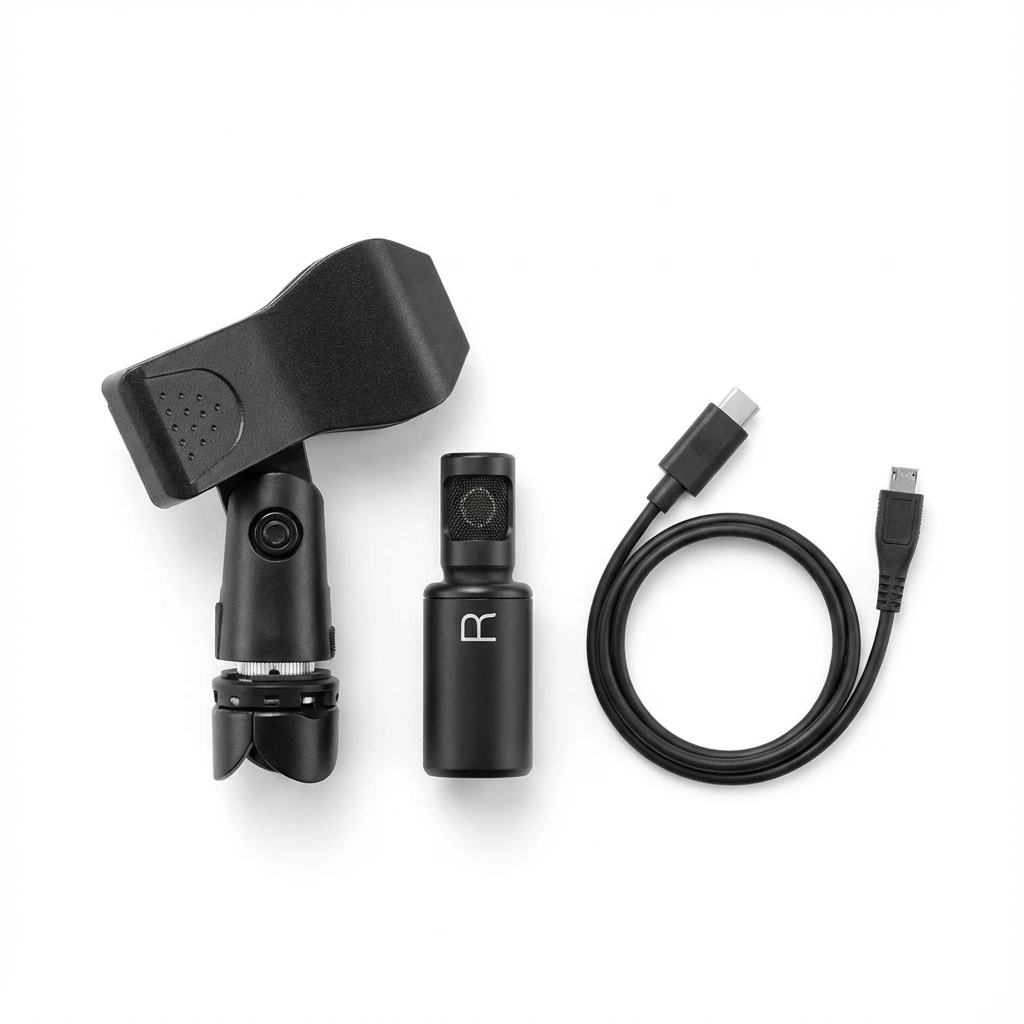

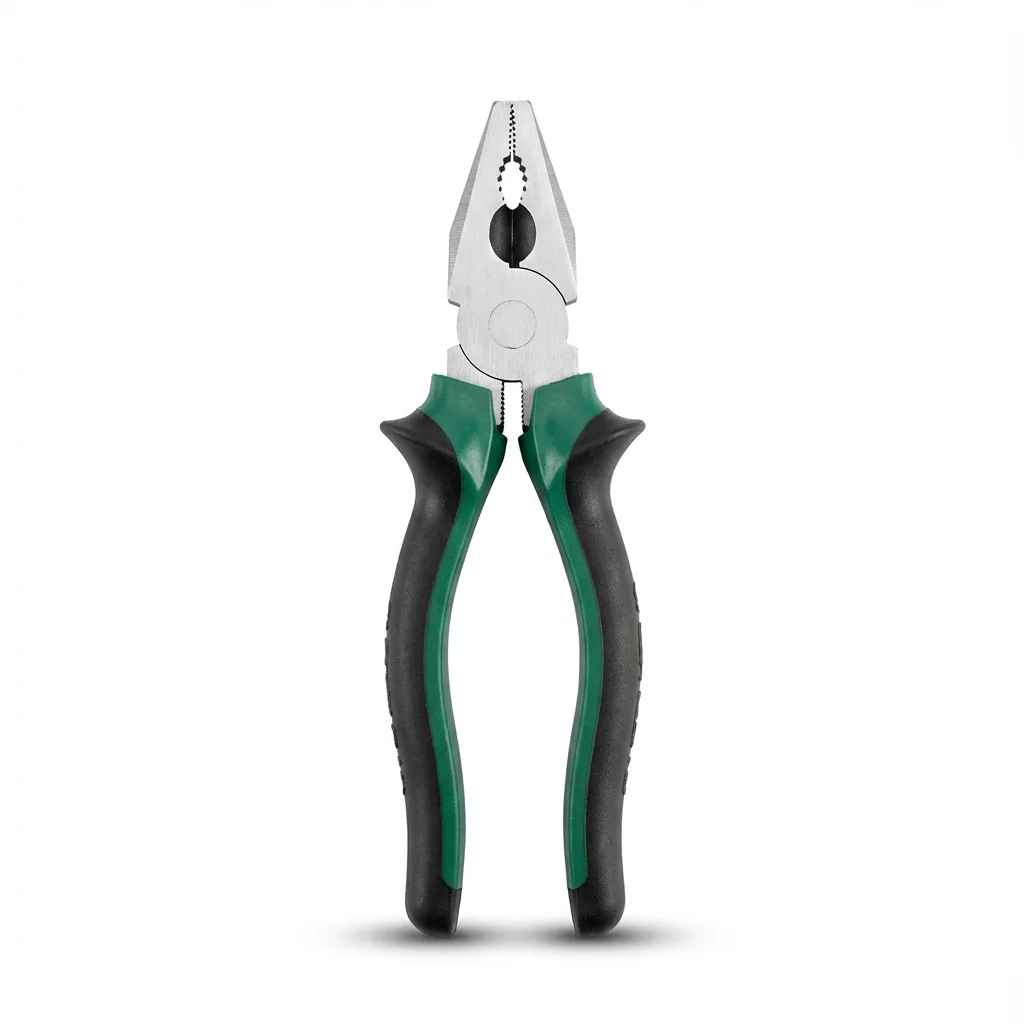

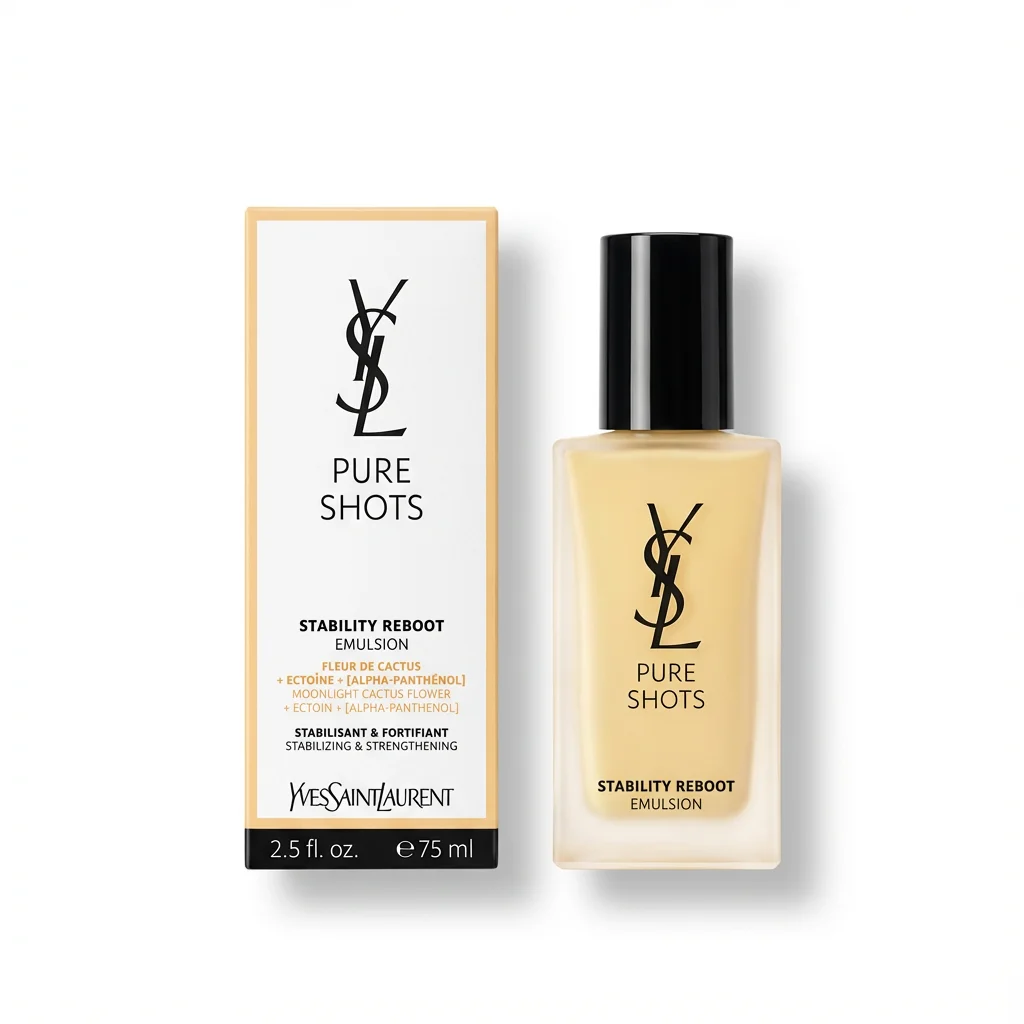
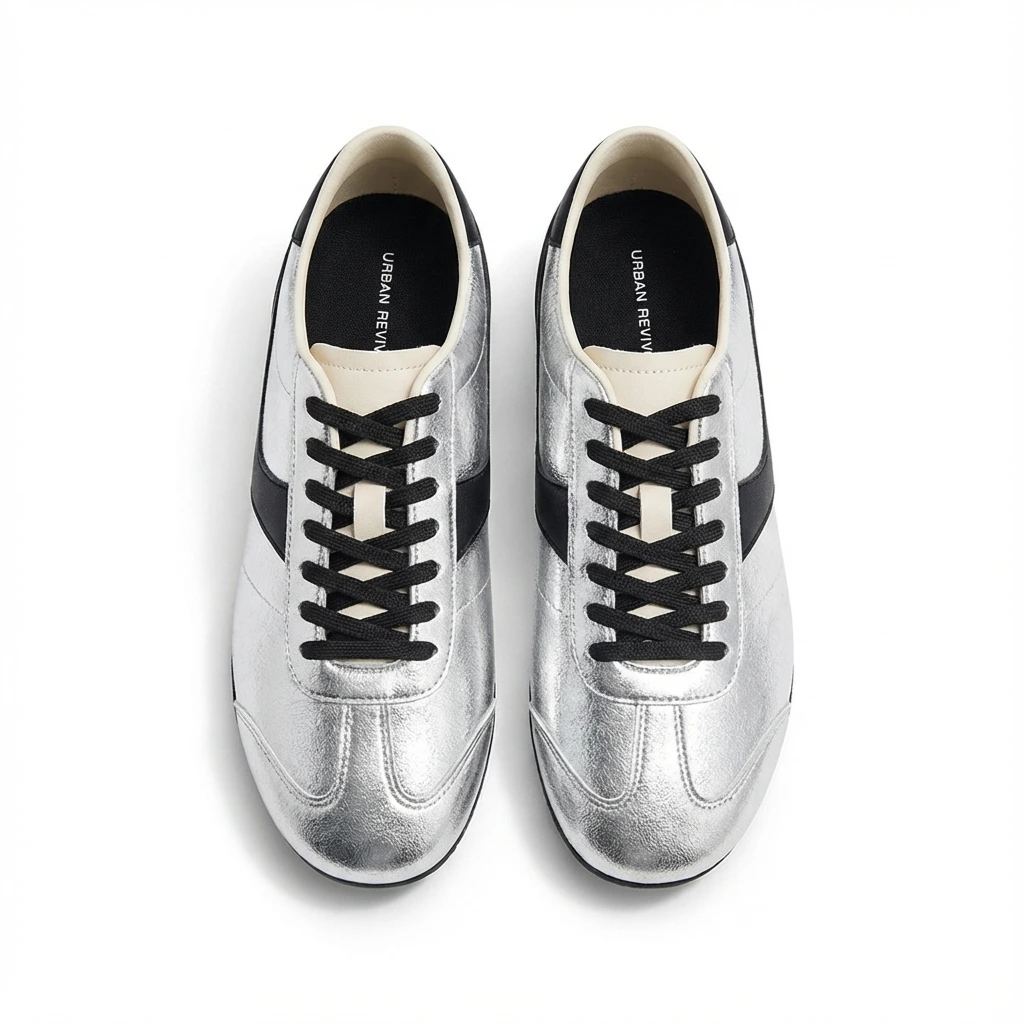
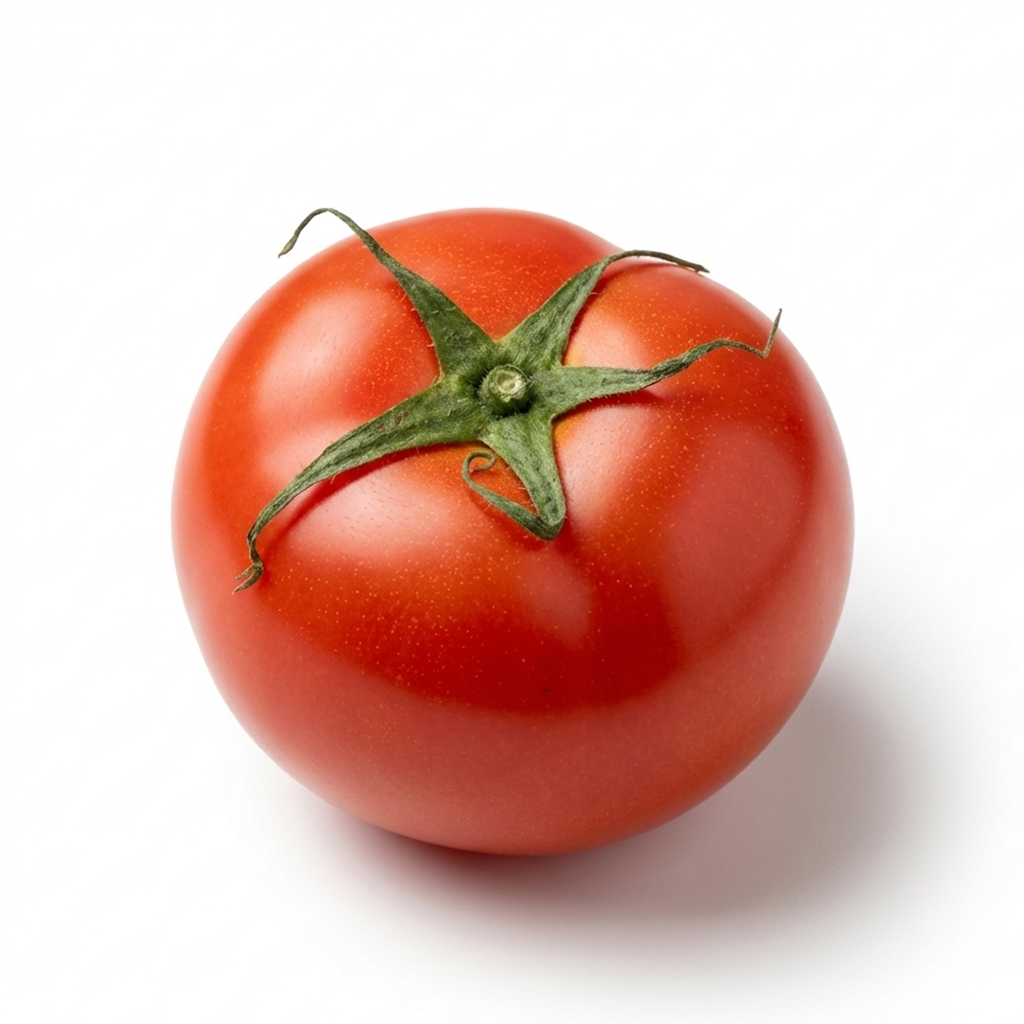

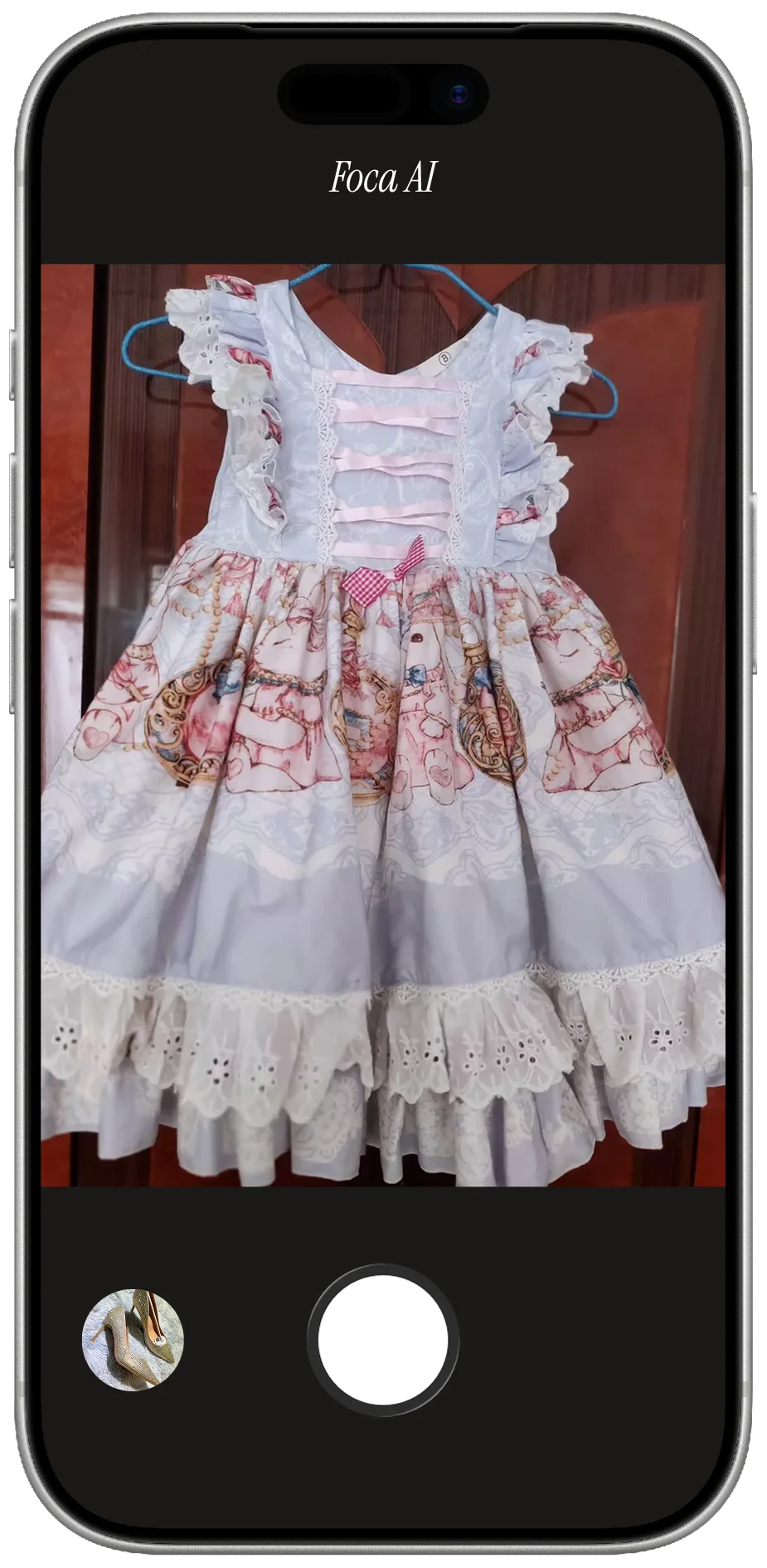



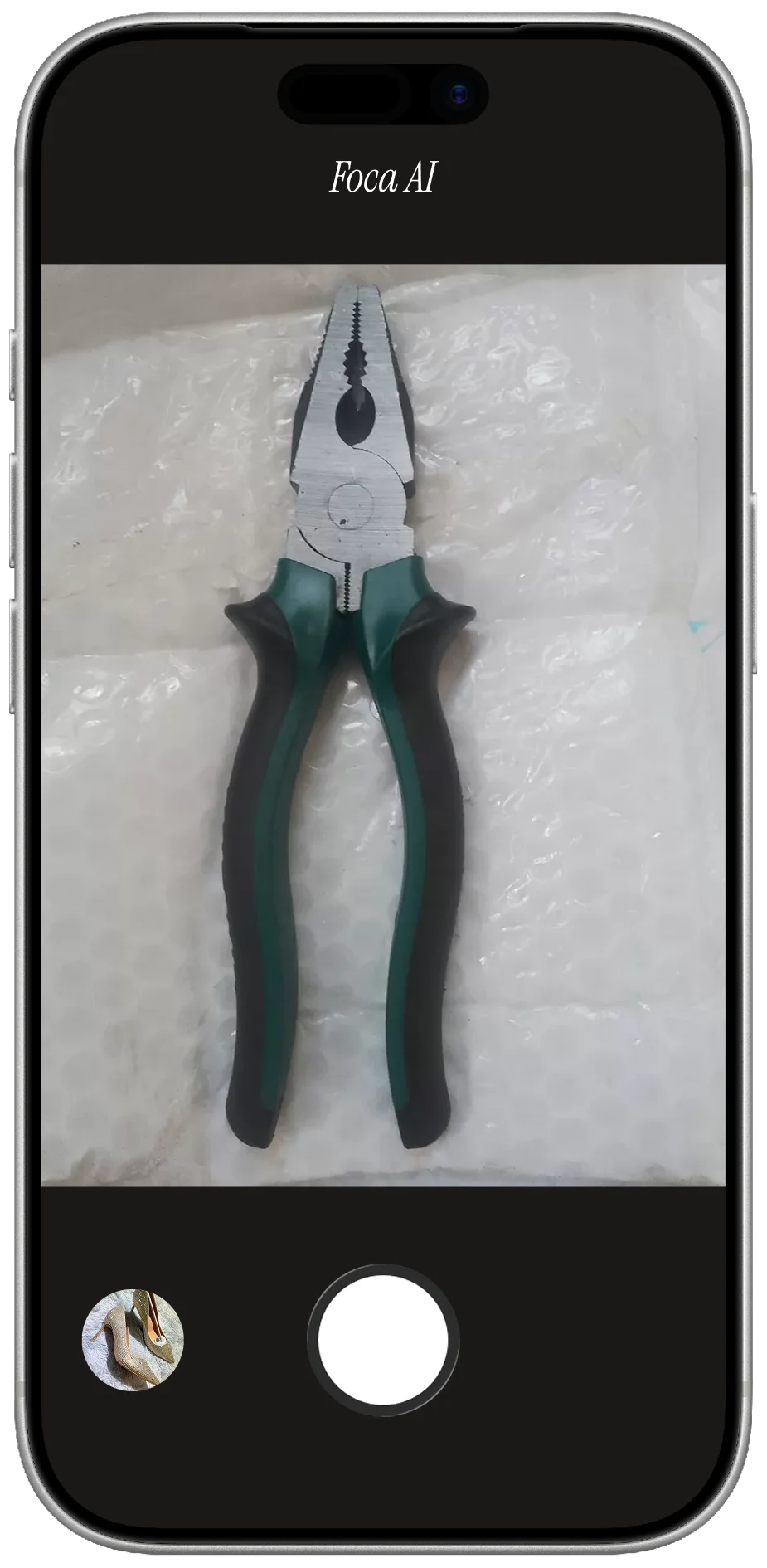

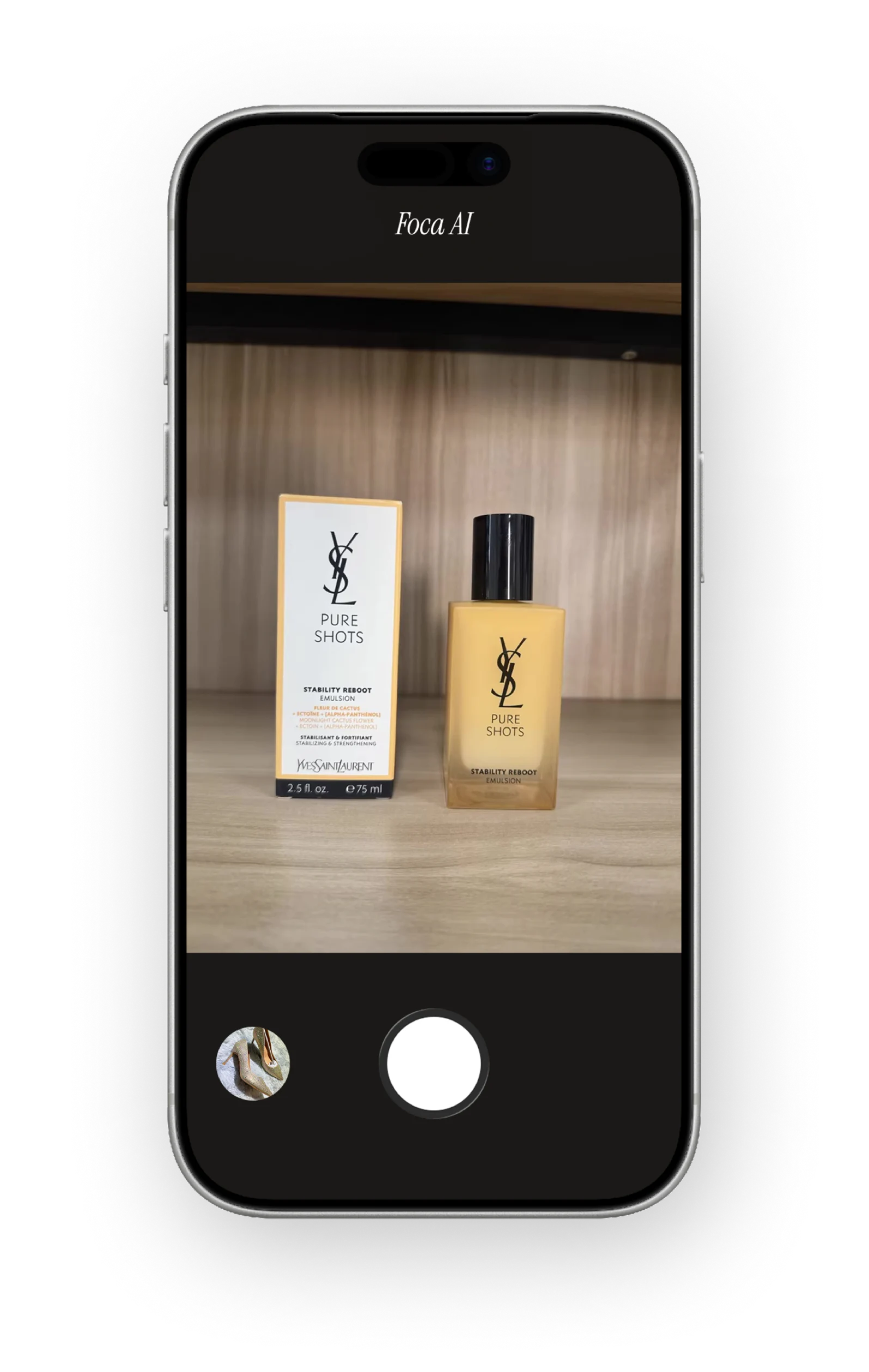


Short answer: for everyday ecommerce catalog work, yes. For every image your brand will ever publish, no. 2026 is the year to stop treating AI photography as a novelty and start treating it as a production layer: fast white-background images, consistent catalog crops, quick listing tests, and secondary visuals that used to wait on a studio calendar.
The catch is that "switch to AI" is the wrong mental model. A stronger model is "move the repetitive photo work to AI, keep the trust-sensitive creative work under human direction."
The real 2026 shift: AI is now a workflow, not a filter
Older AI photo tools were mostly one-off editors. You uploaded an image, removed a background, maybe generated a scene, and hoped the output looked right. The 2026 version is more operational: a seller needs a repeatable system for turning new inventory into listing-ready images.
That system usually has three layers. First, a strict product hero: clean background, centered item, no text, no watermark, accurate color. Second, supporting images: details, scale, packaging, use cases. Third, channel variants: marketplace main image, Shopify collection image, shopping feed image, and social creative.
That is why 2026 feels different. AI is not just making images prettier. It is shrinking the time between "this product arrived" and "this product can be listed."
A quick decision table
| Photo job | Switch to AI? | Why |
|---|---|---|
| White-background catalog images | Yes | High volume, repetitive, platform-driven, easy to quality-check |
| Marketplace main images | Yes, with QA | AI can clean and center the real product, but the image must still meet platform rules |
| Fast product tests | Yes | Speed matters more than a full campaign shoot when validating SKUs |
| Secondary lifestyle images | Maybe | Useful for context, but avoid fake scale, fake accessories, or misleading environments |
| Luxury brand campaigns | Not fully | Creative direction, texture, model styling, and brand taste still matter |
| Used or resale listings | Carefully | Enhance lighting and crop, but preserve flaws and real condition |
The economics have shifted, but the real saving is time
Traditional product photography has real costs: scheduling, shipping samples, setup, shooting, retouching, revisions, and waiting. Even when the per-image price is reasonable, the lag can slow down the entire merchandising cycle.
AI changes the cost curve most dramatically for routine catalog work. If you have 20 new SKUs, the question is not just "how much would a shoot cost?" It is "how quickly can these products go live, and how many images do we need before we know whether they sell?"
For small sellers, that speed compounds. A new item can be photographed on a phone, cleaned into a white-background hero, uploaded, and tested the same day. That is hard for a traditional shoot to match.
Quality is good enough for catalog work, but not magic
The quality bar has moved. AI can now remove backgrounds cleanly, create consistent white or studio-style scenes, correct dull lighting, add soft shadows, and make a product grid feel much more coherent. For everyday products, the output can look more consistent than a rushed DIY shoot.
But "good enough" has boundaries. AI still needs a clear source photo. It can struggle with transparent materials, reflective edges, intricate labels, soft fabrics, jewelry sparkle, and products where scale is easy to misread. It can also over-clean the thing buyers care about, especially on used goods.
So the quality question is not "does it look impressive?" It is "would a buyer still recognize the exact product when it arrives?"
Marketplace rules are the new quality gate
In 2026, image quality is partly about compliance. Amazon-style marketplaces still care about clean main images: accurate product, clear background, no promotional text, no distracting props, no misleading edits. Google Merchant Center has also published requirements around preserving metadata for AI-generated images.
This creates a useful rule: use AI to enhance the real product photo first. Full synthetic scenes are better treated as supporting creative, not the core image buyers use to judge the item.
If a tool helps you make a true product image cleaner, it is reducing friction. If it invents a product reality that does not exist, it is creating risk.
What to switch first
The safest first move is not to replace your best campaign photography. Start with the boring work.
- New SKU listing prep: clean the source photo, generate a white-background hero, and list faster.
- Catalog consistency: make every product card feel like it belongs to the same store.
- Marketplace compliance cleanup: remove backgrounds, center products, and avoid text or watermark issues.
- Low-risk tests: try AI on a product category where the item shape and color are easy to verify.
What not to switch yet
Keep human photography or human creative direction for anything where trust, taste, or physical accuracy carries the sale.
- Luxury hero campaigns where lighting, texture, styling, and taste are the product.
- Apparel fit, model shots, and products where body scale changes buyer expectations.
- Used goods where condition, flaws, and authenticity are the main trust signal.
- Products with safety-critical details, labels, warnings, measurements, or regulated claims.
A low-risk 7-day pilot
If you are unsure, do not debate the whole future of photography. Run a small test.
- Pick 10-20 products with clear shapes and low return risk.
- Use real source photos, not prompt-only synthetic images.
- Create one white-background hero per product.
- Check label readability, color accuracy, edges, and platform rules before uploading.
- Compare time-to-list, approval issues, conversion, and customer questions against your usual workflow.
- Keep the original photos so you can revert or re-edit quickly.
My recommendation for 2026
Yes, 2026 is the year to switch routine ecommerce photography to AI-assisted workflows. Not because AI replaces taste, brand direction, or buyer trust, but because it finally handles the repetitive work well enough to stop slowing you down.
Start with marketplace-ready hero images and catalog consistency. Keep your best human creative energy for the moments that actually deserve it: campaigns, model shots, high-end storytelling, and products where texture or scale needs a real set.
That is where Foca fits: take a real product photo, clean the presentation, create a white-background image, and help you list faster without pretending the product is something it is not.