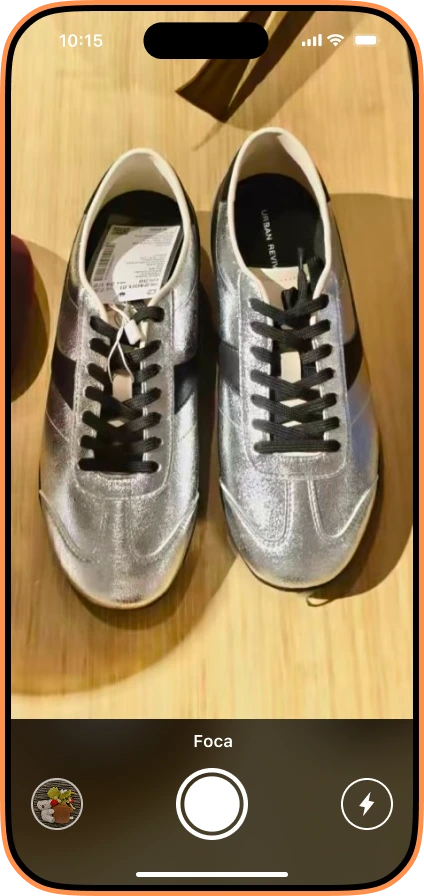
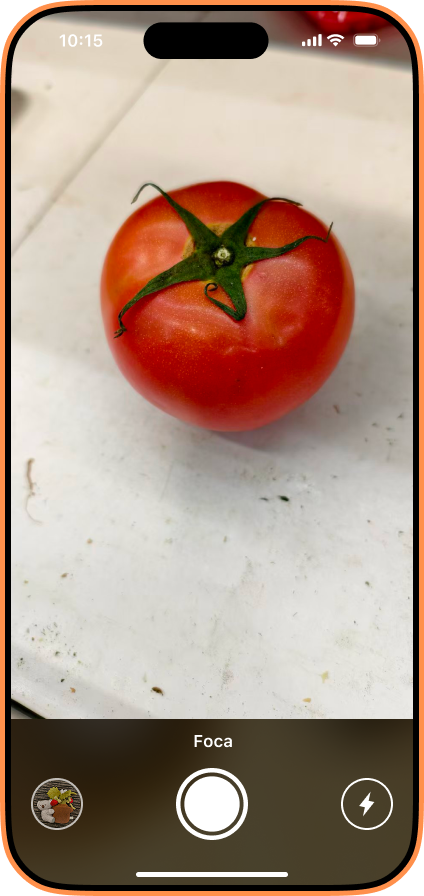
If you sell on more than one channel, you've felt this: the image that sails through Amazon gets rejected by Walmart, the lifestyle shot that pops on Etsy looks wrong on a TikTok Shop hero, and the resale apps just want honest photos of the actual item. The rules really are different — and a few of them (background color, minimum size) will quietly suppress a listing if you miss them.
Here's the whole landscape in two tables: platforms where you're selling new product (background and size are strict), and resale apps where authenticity matters more than a studio look. Then a note on the one image that works almost everywhere.
Selling new product: marketplaces, your store & dropshipping
These platforms enforce the main (first) image hardest. Where it says "pure white RGB 255," they mean it literally — automated checks read the corner pixels. Run your file through the free Amazon Image Checker before you upload to catch white-background, sizing, and resolution issues.
| Platform | Main-image background | Min size | Recommended | Ratio | Max images | Text / logo / watermark |
|---|---|---|---|---|---|---|
| Amazon | Pure white, RGB 255,255,255 (required) | 1,000 px longest side | 1,600+ px (max 10,000); product fills 85% | ~1:1 | Up to ~9 | None on main image |
| Walmart | Pure white, RGB 255,255,255 (required) | 1,000 px | 2,000 px; product fills frame, ~2.5% margin | 1:1 | Up to ~8 | None on main image |
| TikTok Shop | White, no text/icon/border (required on first) | 600 × 600 px | 800 × 800 px+ | 1:1 | Up to 9 | None on main image |
| AliExpress | White / clean on main image | 800 × 800 px | 1,000 px+ (max 2,000) | 1:1 | Up to 6 main | Keep main clean |
| eBay | White recommended (not required) | 500 px longest (required) | 1,600 px; zoom needs 800 px+ | Any (1:1 ideal) | Up to 24 free | No borders, added text, artwork, or watermarks of any kind |
| Etsy | Not mandated (white or lifestyle) | — | 2,000 px+ on shortest side | Square or landscape | Up to 10 | Allowed; leave space for thumbnail crops |
| Shopify (your store) | Your choice (white best for catalog) | 800 px (for zoom) | 2,048 × 2,048 (max 5,000 px / 25 MP, < 20 MB) | Any — be consistent | Up to 250 / product | Your call |
File formats are broadly JPEG and PNG everywhere; Amazon also accepts TIFF and (non-animated) GIF. File-size caps: Walmart/AliExpress ~5 MB, TikTok Shop 5 MB, Shopify 20 MB.
Resale & secondhand apps: real photos win
Here the rules flip. These platforms want original photos of the actual item — stock images are against the rules for used goods — and they care more about how many angles you show than about a perfect white sweep. A clean, well-lit cover shot still outperforms everything else in the feed.
| Platform | Cover / aspect | Max photos | Recommended size | Key rule |
|---|---|---|---|---|
| Poshmark | Square 1:1 (cover cropped square) | Up to 16 | ~1,200 × 1,200 px | Original photos only; show tag, fabric & any flaws |
| Mercari | Square works; portrait cover slot | Up to 12 | ~1,000 px+ | Your own photos; clean first image |
| Depop | Square 1:1 | Up to 4 | ~1,280 px+ | Original photos; first image is everything |
| Facebook Marketplace | 1:1 (others crop) | Up to 10 | 1,200 px+ (min 500 × 500) | Real photos; clean cover thumbnail |
eBay sits between the two tables: it has marketplace-style size rules (above) but, for used items, also requires genuine photos of the actual product — no stock images.
Shopping feeds & social commerce
If you also run Google Shopping, Meta (Facebook/Instagram) Shops, or Pinterest, the same photo goes into product feeds that crop and rank differently from a marketplace grid.
| Platform | Main-image background | Min size | Recommended | Ratio | Notes |
|---|---|---|---|---|---|
| Google Merchant Center | White or transparent | 100 × 100 (250 × 250 apparel) | 1,000+ px, up to 64 MP / 16 MB; product 75–90% | ~1:1 | From 2027-01-31 every product needs 500 × 500+; warnings start July 2026. No promo text or watermark. |
| Meta Catalog | Clean, consistent crop | 500 × 500 | 1,024 × 1,024+ square | 1:1 | Facebook / Instagram Shops and catalog ads; crop consistency matters more than pure white. |
| Pinterest Catalog | Clean | 1,000 × 1,500 | 2:3 vertical | 2:3 | Vertical performs better — make a separate tall version, not just the square hero. |
The one image that works almost everywhere
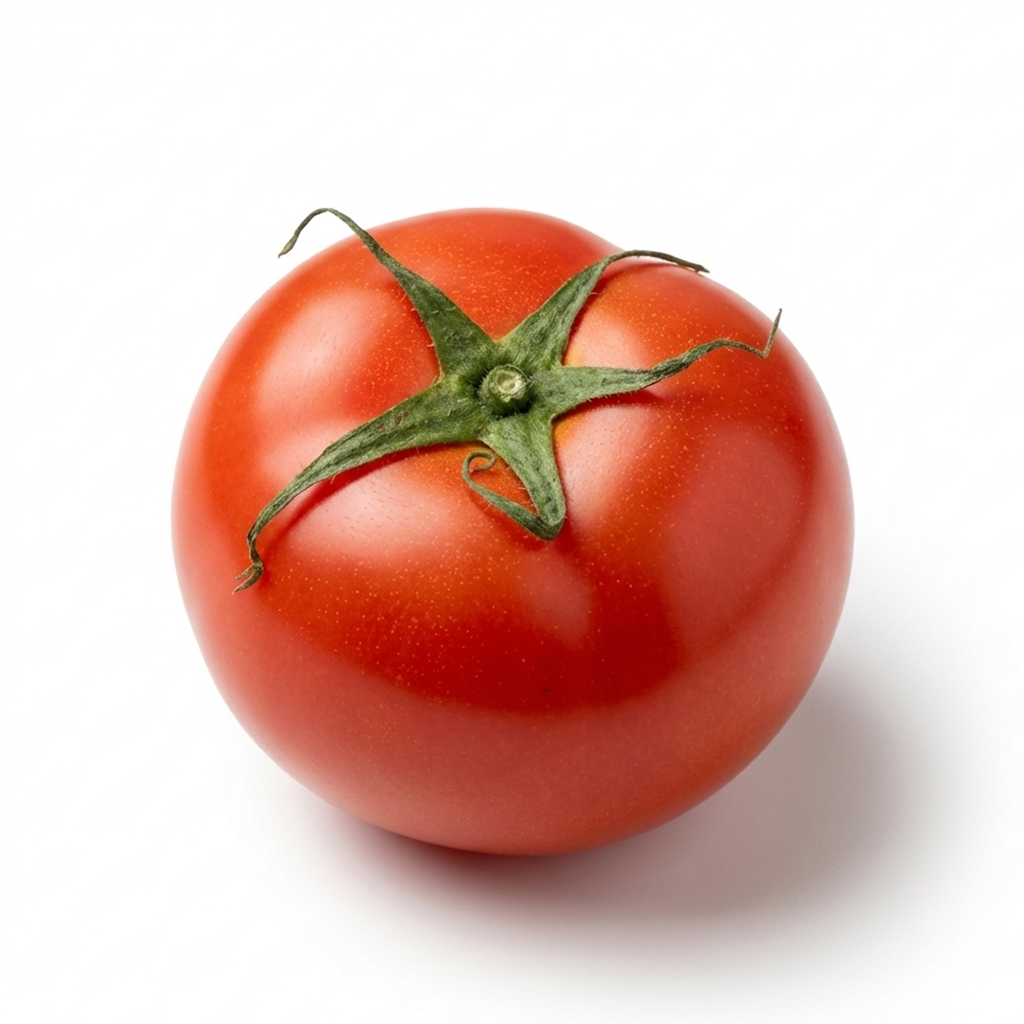
Look down both tables and a single file covers the strict cases and is welcome everywhere else: a square image, 2000 × 2000 px, product centered and filling ~85% of the frame on a pure white (RGB 255) background, with no text or watermark. That exact spec clears Amazon, Walmart, TikTok Shop and AliExpress; it's an easy, professional cover for eBay, Etsy, Shopify and every resale app. Make that your hero, then add platform-specific extras — lifestyle for Etsy and TikTok, tag-and-flaw close-ups for the resale apps — as secondary images.
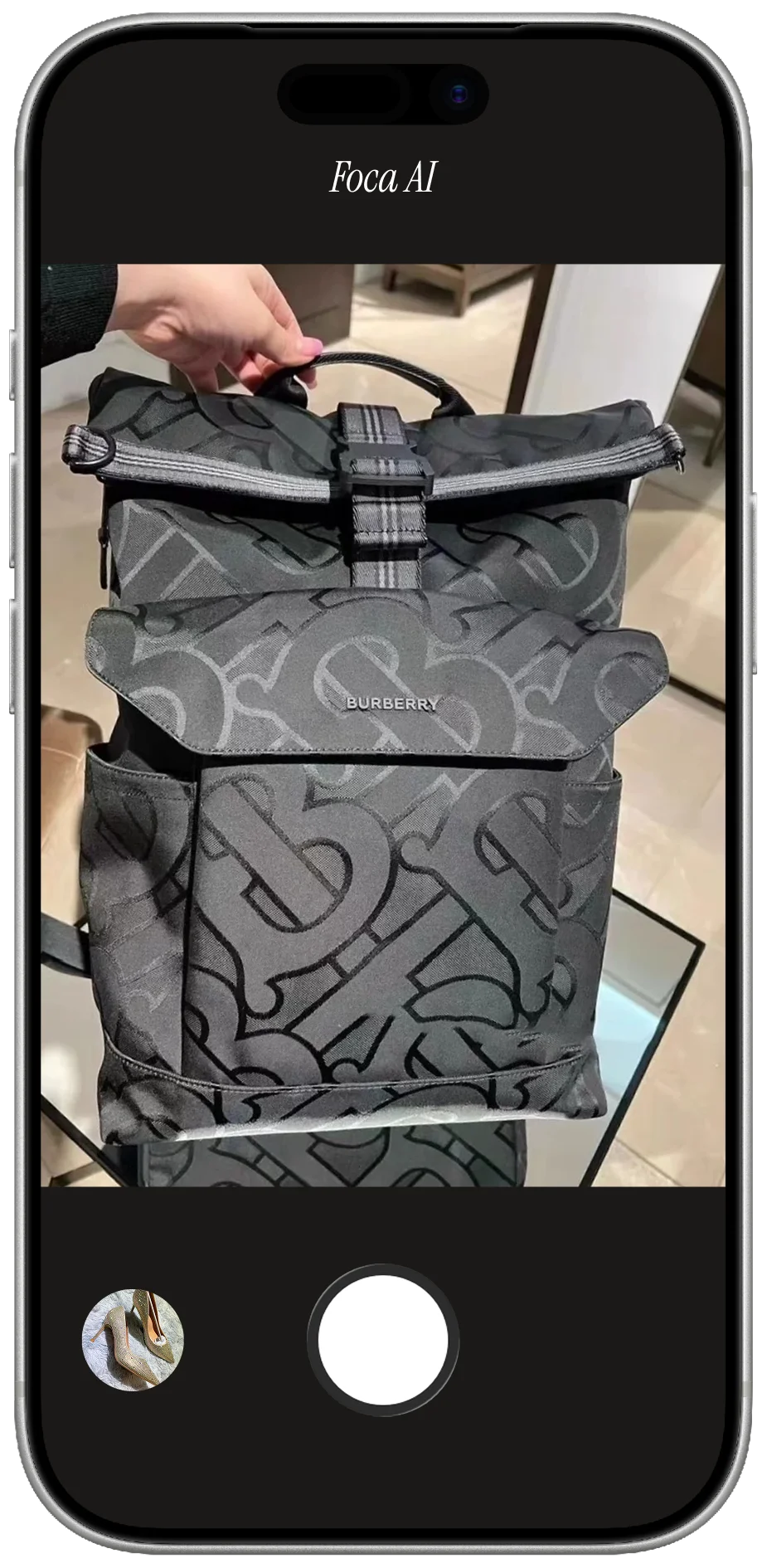
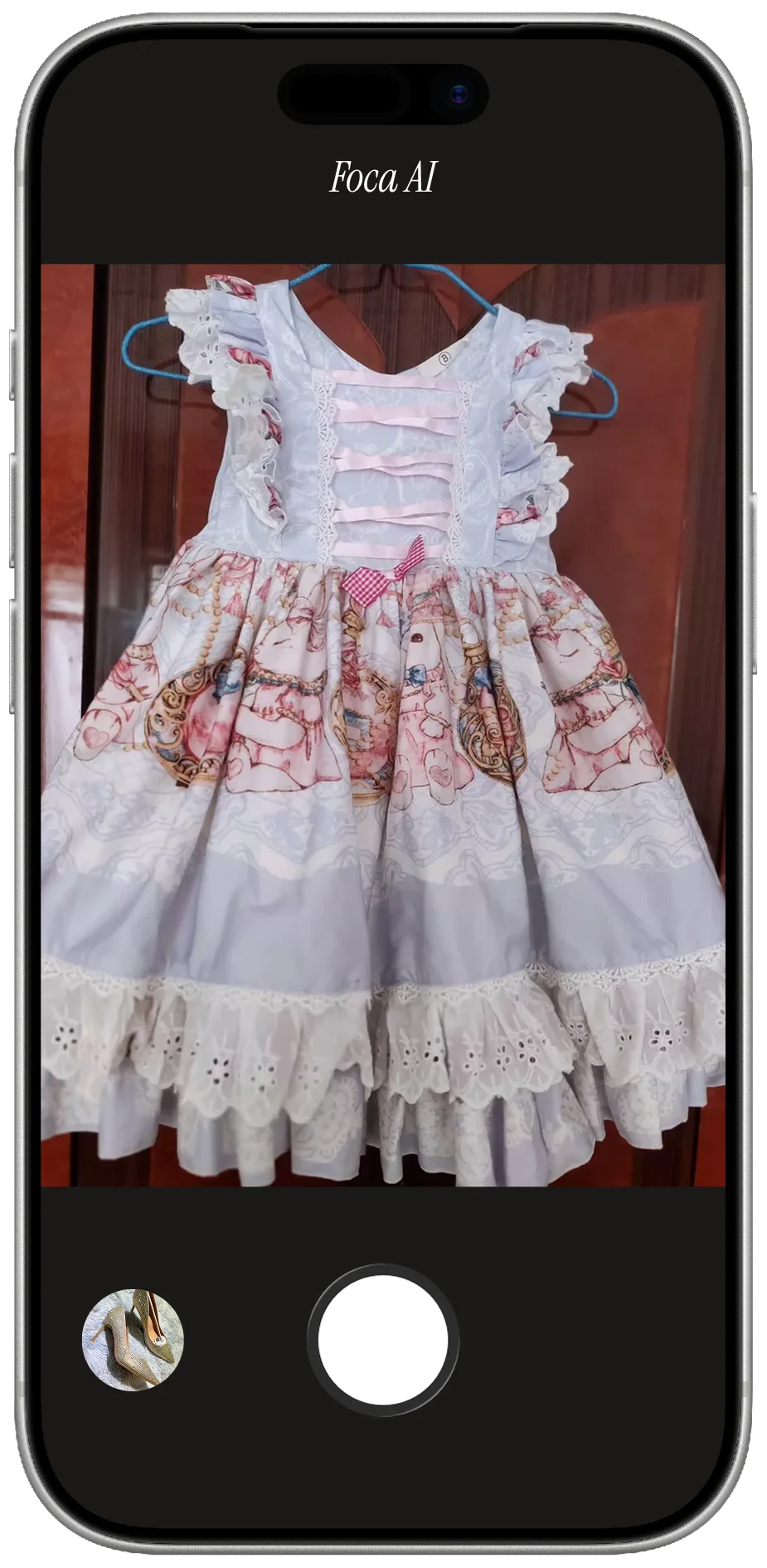
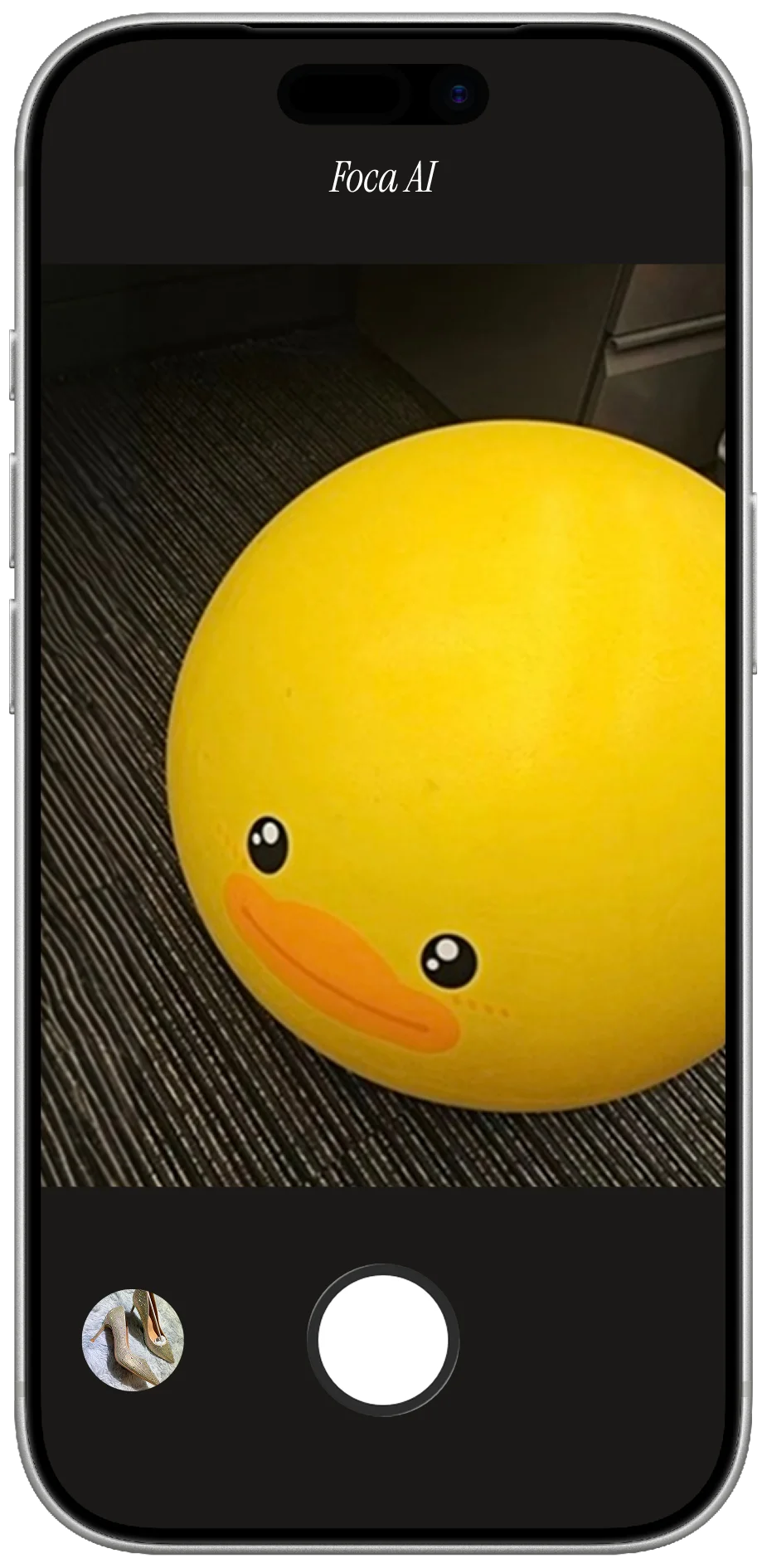
The catch is that a clean 255-white square is exactly the photo that's hard to shoot at home, which is the whole reason these rules trip people up. Foca AI takes the phone photo you already have and returns that file — true white background, product centered and scaled, soft contact shadow, 1024–2000 px square — so you upload the same hero everywhere instead of reshooting per platform.
One source photo, every channel
For most sellers the practical workflow is one master file plus a few derived versions — not a separate shoot per platform:
- Shoot or upload the real product photo.
- Generate a strict white-background hero (2000 × 2000, centered) for Amazon, Walmart, TikTok Shop, Google Merchant Center and marketplace search grids.
- Keep the same crop and product scale for Shopify collections and Meta Catalog so store and feed look consistent.
- Add secondary images for context — scale, texture, packaging, accessories, use cases.
- For resale listings, enhance lighting and crop but keep photos of the actual item and show flaws honestly.
A few things that catch sellers out
- "White" that's actually grey. Amazon and Walmart read the literal RGB value. #f4f4f4 looks white alone but fails the check and looks dingy next to a true-white competitor.
- Too small for zoom. Below ~1,000 px the marketplace zoom feature switches off, and zoom is worth a measurable bump in conversion. Aim for 2,000 px and you never think about it again.
- Text and badges on the main image. "Best Seller," "50% Off," a logo overlay — banned on the main image across every new-product marketplace. Save them for secondary infographics where allowed.
- Stock photos on resale listings. Poshmark, Mercari, Depop, eBay (used) and Facebook all require photos of the real item. A manufacturer render can get the listing pulled.
Common questions
Does every platform require a white background?
No. Amazon, Walmart and TikTok Shop require pure white on the main image; AliExpress strongly prefers it. eBay, Etsy, Shopify and the resale apps don't require it — but a white hero still tends to convert best in a crowded grid.
What size is safe for all of them?
2,000 × 2,000 px square. It clears every minimum, enables zoom everywhere, and stays under each platform's file-size cap when saved as a reasonable-quality JPEG.
Can I reuse my supplier's (e.g. AliExpress) photos for dropshipping?
Technically you often can, but it's risky: the same render appears on hundreds of listings, marketplaces may flag duplicates, and used-goods platforms forbid stock images outright. A clean, distinct white-background version of the product helps you stand out and stay compliant.
Are these numbers official?
They're drawn from each platform's own seller guidelines and help center, linked below. Platforms revise specs periodically, so confirm at the source before a major catalog upload.
Do I need different images for ads and marketplace listings?
Usually yes. Marketplace main images are stricter — white background, no text, no badges, no props. Ads and social feeds can use lifestyle or contextual shots, but your catalog/feed image still has to show the exact product clearly.
Is a transparent background safer than white?
Not always. Google accepts solid white or transparent in many cases but warns that transparent backgrounds render poorly with light-colored products. Marketplace main images (Amazon-style) should use true white, not transparency.
Can I upscale a small image to hit the minimum?
Avoid it. Several platforms warn against thumbnails or artificially enlarged images — they still look low quality and can fail review. Start from the highest-resolution original you have.
Sources (official guidelines)
- Amazon Seller Central — Product image requirements
- Walmart Marketplace Learn — Imagery guidelines
- TikTok Shop Seller University — product images
- eBay — Picture policy
- Etsy Help — Tips for listing photos
- Shopify Help Center — Product media types
- Poshmark — Listing photography guide
- Mercari — Help Center (listing photos)
- Depop — Photo & video guidelines
- Google Merchant Center — Image requirements
- Meta — Catalog product image specs
- Pinterest — Catalog requirements