Glaze, colour and texture
Glazed ceramics have a semi-reflective surface that catches sheen and hotspots like a soft mirror, and their earthy colours shift badly under warm indoor light. Matte and raw pottery is the opposite — forgiving on reflections, but its texture vanishes under flat front light.
The approach changes with the finish, but accurate colour and visible form are the constants buyers care about.
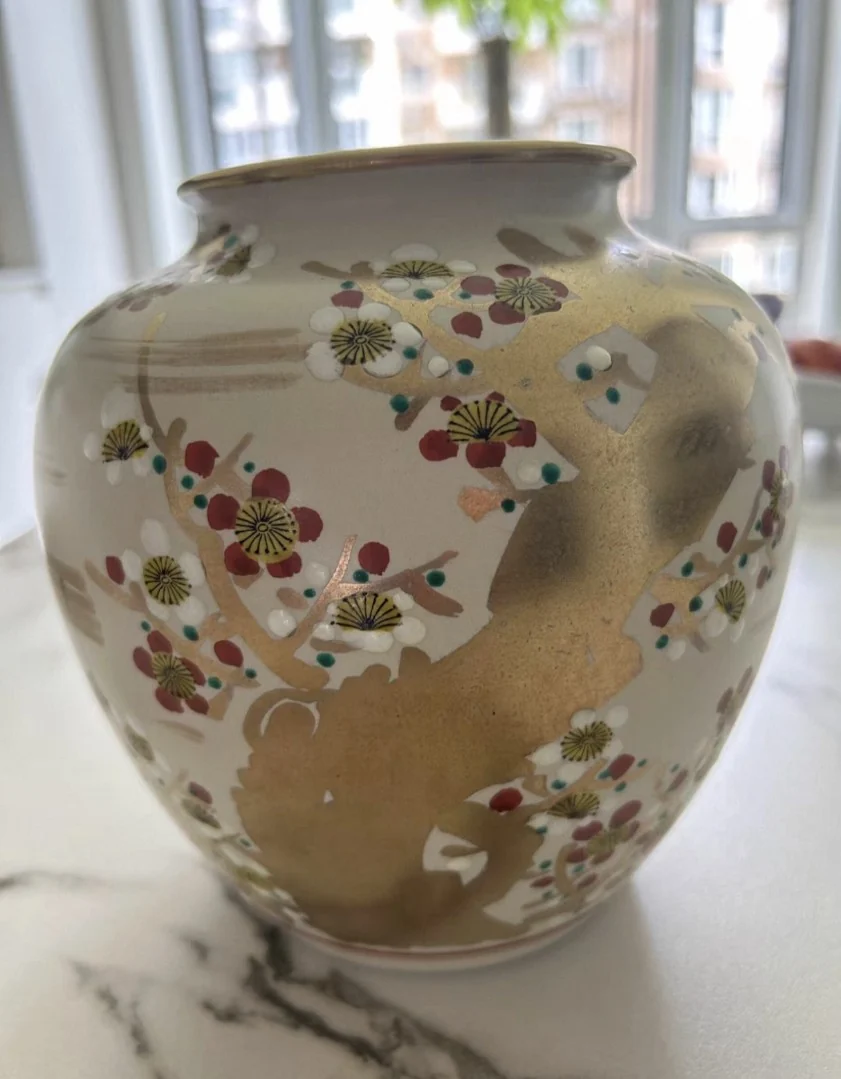 PHONE SHOT
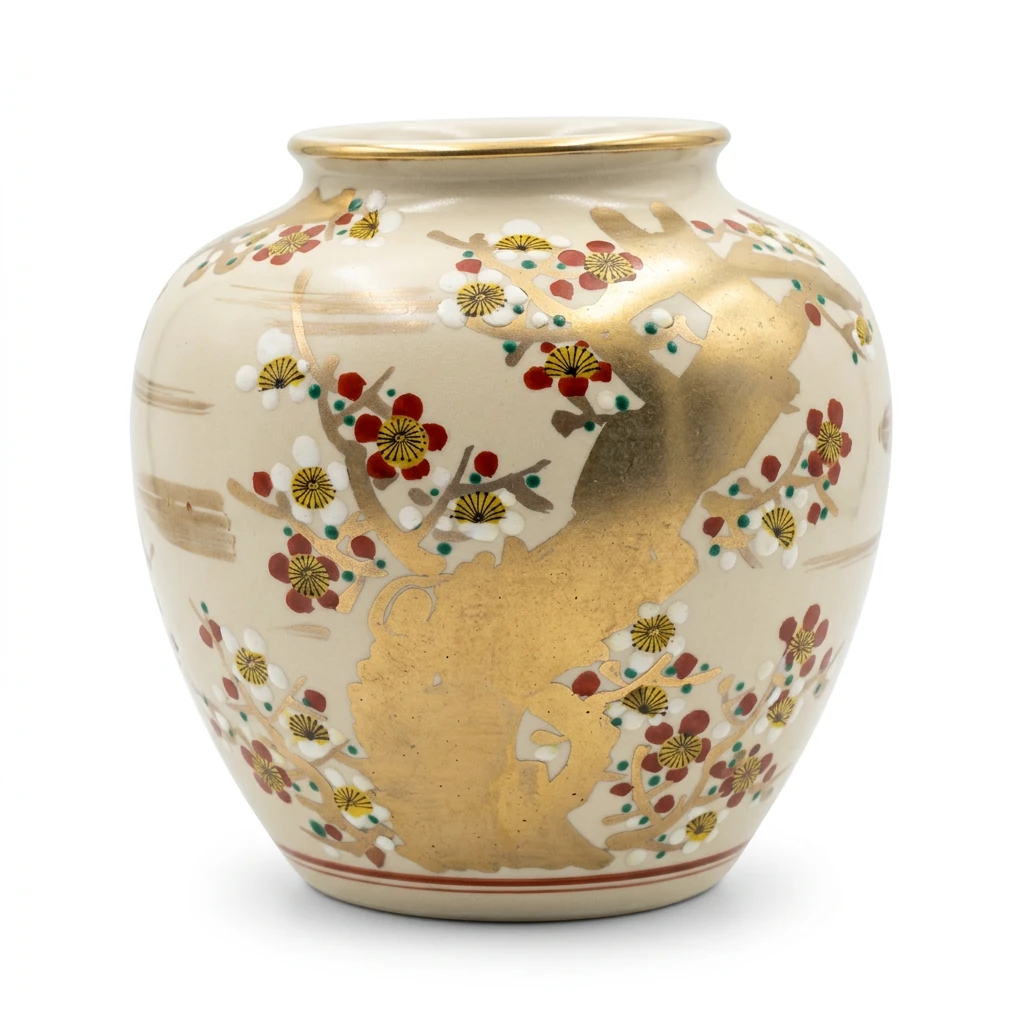 FOCA AI
Glazed pieces: soft sheen, true colour
Use the same diffuse-light principle as glass — large soft sources, no bare bulbs — so the glaze shows a gentle sheen rather than a hard hotspot. Warm white balance turns earth tones orange and blues grey, so shoot under daylight-balanced light or set white balance off a grey card.
If the piece has a pattern or hand-painted detail, shoot it square-on so it reads cleanly.
Matte and raw clay: bring back the texture
Matte ceramics and raw clay are the most forgiving surface in the studio. A single side light from a window gives clean shadow definition that reveals the texture, with none of the reflection problems of glaze.
Avoid flat front-on light, which erases the surface and makes handmade pottery look like a printout.
Clean edges and the white background
Ceramic edges are usually solid and easy to separate, but chips and dust read clearly — inspect and clean before shooting.
Foca AI places the piece on RGB 255 white while preserving the glaze sheen, true earth-tone colour and surface texture, so it stays a real object rather than a flat cut-out.
Things people ask
How do I photograph glazed ceramics without hotspots?
Light them like glass — large diffuse sources, no bare bulbs — so the glaze shows a soft, even sheen instead of a hard bright spot.
Why do my ceramic colours look off?
Warm indoor light shifts earth tones orange and blues grey. Use daylight-balanced light or set white balance off a grey card for true colour.
How do I show the texture of matte pottery?
Use a single side light rather than flat front light. The raking angle casts tiny shadows that reveal the surface texture of handmade clay.
How do I get a white background for ceramics on Amazon?
Shoot cleanly, then place the piece on RGB 255 white. Foca AI does the cut-out and white background while keeping glaze, colour and texture intact.
Do I need a lightbox for ceramics?
Not for matte pieces — a window works well. Glazed, reflective pieces benefit from diffusion (a tent or large softbox) to control sheen.